Skilled Drywall Installation for a Flawless Outcome
Professional drywall installation is often neglected in construction projects. Yet, it plays an essential role in obtaining a sophisticated finish. Skilled contractors guarantee exact measurements and seamless finishes, which can substantially influence both aesthetics and durability. Comprehending the nuances of this method is important for any homeowner or builder. What are the key advantages of contracting specialists? And how can one avoid common pitfalls in DIY drywall efforts?
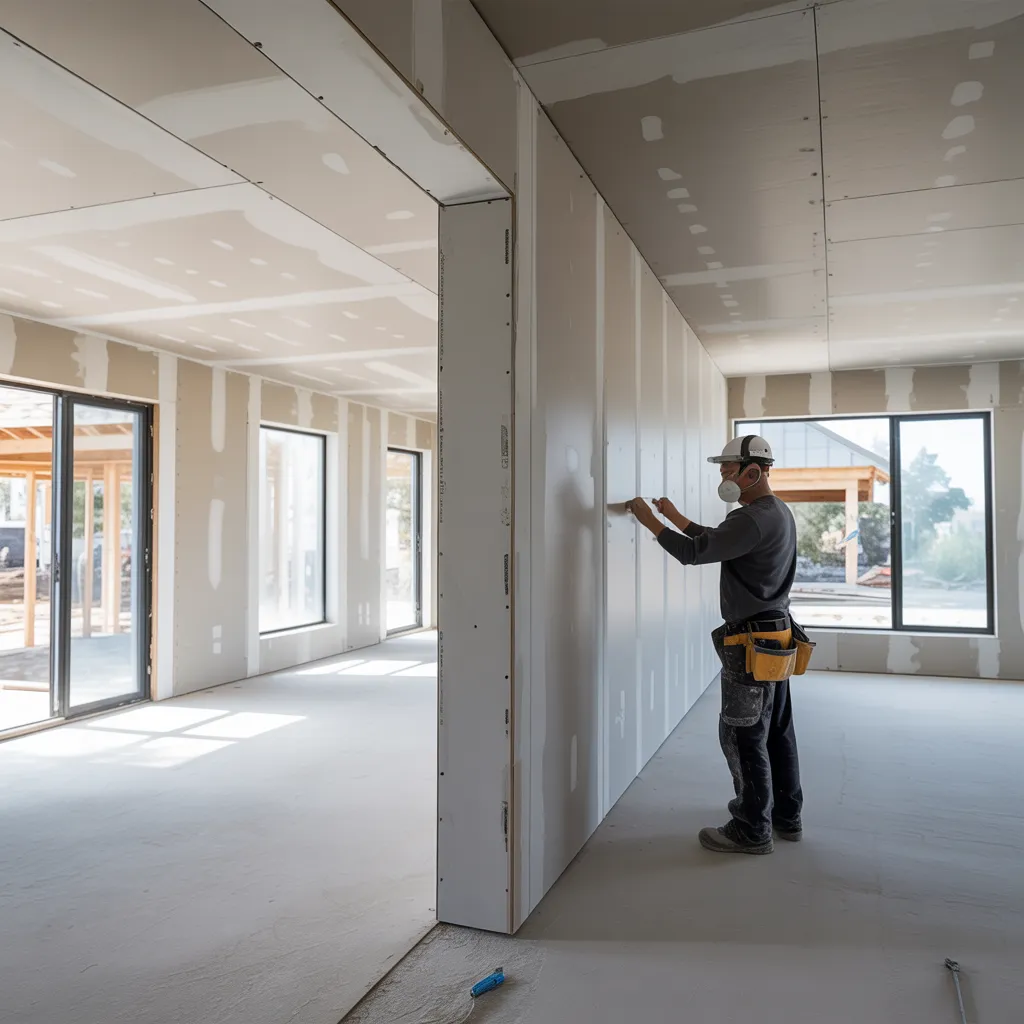
Why Professional Drywall Installation Is Indispensable for Your Endeavor
While some homeowners may consider a DIY method to drywall setup, the skill of professionals often proves essential for achieving superior results. Proper drywall placement requires a sharp understanding of substances, methods, and equipment that many DIY fans may be without. Experts bring decades of experience, enabling them to manage complex jobs such as measuring, trimming, and installing drywall with accuracy.
Moreover, they are skilled in addressing potential issues, such as irregular terrain or structural difficulties, which can occur during the installation process. Their knowledge of local construction regulations ensures that the work meets safety requirements, preventing future complications. In addition, experts can finish projects more efficiently, saving property owners time and reducing the probability of costly mistakes. Ultimately, hiring experienced contractors not only enhances the quality of the completed work but also promotes a more seamless and less stressful project experience.
Leading Gains of Contracting with Experienced Contractors
Retaining qualified contractors for drywall installation delivers extensive advantages that can greatly boost the overall project outcome. To begin, their skill guarantees exact measurements and cuts, reducing material waste and reducing costs. Experienced contractors furthermore possess comprehensive knowledge of local building codes and regulations, confirming compliance and minimizing the risk of costly rework.
In addition, capable specialists maximize effectiveness to the project, often completing implementations in a condensed period it would take an inexperienced crew. Their mastery of different instruments and methods enables seamless workflows and exceptional performance.
Additionally, retaining veteran contractors ensures confidence, as they regularly maintain insurance coverage and warranties, shielding homeowners from potential issues. Ultimately, investing in experienced drywall contractors not only boosts the aesthetic quality of the installation but also contributes to the work's longevity and lasting performance. This strategic decision fosters a more effective and satisfying renovation experience.
Professional Methods for Attaining a Flawless Drywall Result
Achieving a flawless drywall finish requires a combination of skill and precision. Professionals utilize several techniques to ensure ideal results. First, they carefully measure and cut drywall sheets to reduce seams, using a utility knife for clean edges. Proper installation involves securing sheets with screws placed strategically to avoid popping.
Next, skilled installers apply joint compound in delicate layers, allowing each coat to dry fully before sanding. Sanding is essential; using fine-grit sandpaper helps achieve a smooth surface while preventing damage to the drywall.
Moreover, professionals utilize implements like taping knives to distribute compound uniformly, guaranteeing seamless changes between panels. They recommend feathering the borders for a smoother finish. Finally, a well-lit work area helps with identifying flaws, permitting prompt adjustments. By adhering to these methods, drywall installers can create a superior, flawless finish that enhances the overall aesthetic of any space.
Guidance on Locating the Finest Drywall Contractor
Finding the right drywall specialist can significantly enhance the quality of a project. To guarantee a satisfactory outcome, homeowners should focus on contractors with established track record and excellent feedback. Investigating online ratings and asking for recommendations from friends or family can deliver valuable insights.
It is also important to verify the contractor's licenses and protective coverage, as this protects both parties in case of emergencies. Seeking in-depth estimates from multiple sources can help evaluate fee structures and capabilities, allowing for well-informed decisions.
Moreover, strong communication is vital; contractors should display responsiveness and clarity regarding schedules and project expectations. Speaking with former clients can reveal the contractor's reliability and professional standards. Finally, evaluating the contractor's portfolio can illustrate their skill level and suitability for specific project needs. By following these guidelines, homeowners can select a drywall contractor that meets their expectations for a high-quality finish.
Frequent DIY Drywall Pitfalls to Bypass
When engaging in DIY drywall installation, several common mistakes can negatively affect the final result. Inaccurate measurement techniques can lead to misaligned panels, while insufficient joint taping may cause unsightly seams and cracks. Recognizing these pitfalls is important for achieving a professional-looking finish.
Incorrect Measurement Techniques
Many do-it-yourself enthusiasts undervalue the importance of accurate measurements in drywall installation, potentially causing costly mistakes. Inaccurate measurements might result in wrongly sized drywall sheets that need additional cuts or patches, weakening the overall finish. Moreover, miscalculations can cause excess materials, increasing both project costs and time. A common mistake is not accounting for obstacles like electrical outlets or windows, which leads to incorrect pieces. Furthermore, failing to double-check measurements before cutting can intensify these problems. To circumvent these pitfalls, DIYers must invest time in accurate measuring methods, employing reliable tools. Paying this close attention to detail not only improves installation quality but also results in a more polished finish.
Lacking Proper Joint Taping
One frequent mistake among DIY drywall installers is neglecting correct joint taping. Inadequate taping can cause visible seams and imperfections that damage the wall’s overall appearance. Many novices underestimate the importance of applying sufficient tape and mud to produce a smooth finish. Skipping the embedding stage may lead to bubbles and uneven textures, which weakens the installation's integrity. Also, improper feathering of the edges can leave apparent ridges that are tricky to conceal during painting. For optimal results, it is critical to use the right type of tape and apply several layers of joint compound, making sure each coat is thoroughly dried and sanded before proceeding. Such attention to detail is essential for a clean finish.
What You Should Understand When Having Drywall Installation Done
Installing drywall can serve as a renewing step for any room, providing a new canvas for design. Homeowners can expect a multiple-step process that begins with a detailed assessment of the space. Professional installers calculate and custom-fit drywall sheets to fit, minimizing waste. The installation typically involves additional info securing the sheets to wall studs or ceiling joists using nails.
Once the drywall is affixed, the next step is mud and tape work, which delivers a seamless finish. This stage requires skill to avoid visible seams and imperfections. After the mud cures, grinding is essential to obtain a smooth surface, readying it for painting or finishing. Throughout the process, homeowners may notice dust and noise, as well as the professionals operating effectively to reduce disruption. Clear dialogue with the installers regarding timelines and expectations guarantees a smooth experience from start to finish.
Methods to care for Your Drywall and extend Its lifespan
Maintaining drywall is essential for ensuring its durability and visual quality. Regular inspections and prompt repairs can stop minor issues from escalating into major problems. Additionally, employing proper cleaning techniques helps preserve the surface and integrity of the drywall over time.
Periodic Inspections and Upkeep
Regular checks and prompt repairs are essential for ensuring the longevity of drywall. Homeowners should perform regular inspections for fractures, water damage, or signs of mold. Detecting issues soon can prevent more severe harm and costly repairs. If any imperfections are discovered, addressing them quickly is vital. Small fractures can often be patched with joint compound, while larger harm may require patching or even substituting sections of drywall. Additionally, it is critical to check for any moisture issues, as extended contact can compromise drywall strength. Routine upkeep not only improves aesthetics but also preserves the structural stability of surfaces. Establishing a plan for these checks can greatly prolong the life span of drywall in any home.
Best Sanitation Practices
Maintaining drywall in ideal condition necessitates using effective cleaning methods that prevent dirt and grime buildup. Using a microfiber cloth or soft broom for regular dusting helps maintain a fresh surface. A blend of mild soap and water is suggested for stubborn stains; however, avoiding excessive moisture is important to prevent drywall damage. Gentle scrubbing with a soft sponge can remove marks without harming the finish. Specialized cleaners may be required for grease or oil stains. After cleaning, verify that the area is thoroughly dried to inhibit mold growth. Routine maintenance and correct cleaning methods lengthen drywall’s lifespan, preserving both appearance and structural integrity.
Frequently Inquired Questions
How long Does Professional Drywall Installation Typically Take?
Skilled drywall application typically requires one to three days, depending on the assignment's size and difficulty. Factors like preparation, finishing techniques, and curing periods also impact the overall duration of the installation work.
What Are the Expenses Involved in Hiring a Drywall Contractor?
The expenses associated with engaging a drywall contractor generally range from $1.50 to $3.50 per square foot. Factors influencing pricing consist of labor, materials, project complexity, and location, significantly affecting overall expenses for homeowners.
Is It Possible to Put Drywall Over Pre-existing Walls?
Yes, gypsum board can be applied over current walls, as long as the base framework is sound and meets building codes. This approach can reduce time and labor, but may add to wall thickness and necessitate modifications to trim and fixtures.
What Elements Are Typically Utilized in Drywall Placement?
Typical materials required for drywall installation include gypsum boards, joint compound, drywall tape, screws, and corner beads. Additionally, tools such as a utility knife, drywall saw, and T-square are essential to the installation process.
What Specific Licenses Are Needed for Drywall Setup Projects?
Drywall installation licenses are contingent on local requirements. Numerous home projects mandate permits, notably if structural modifications are involved. Consulting local construction officials will ensure compliance with applicable standards and safety requirements throughout the installation.